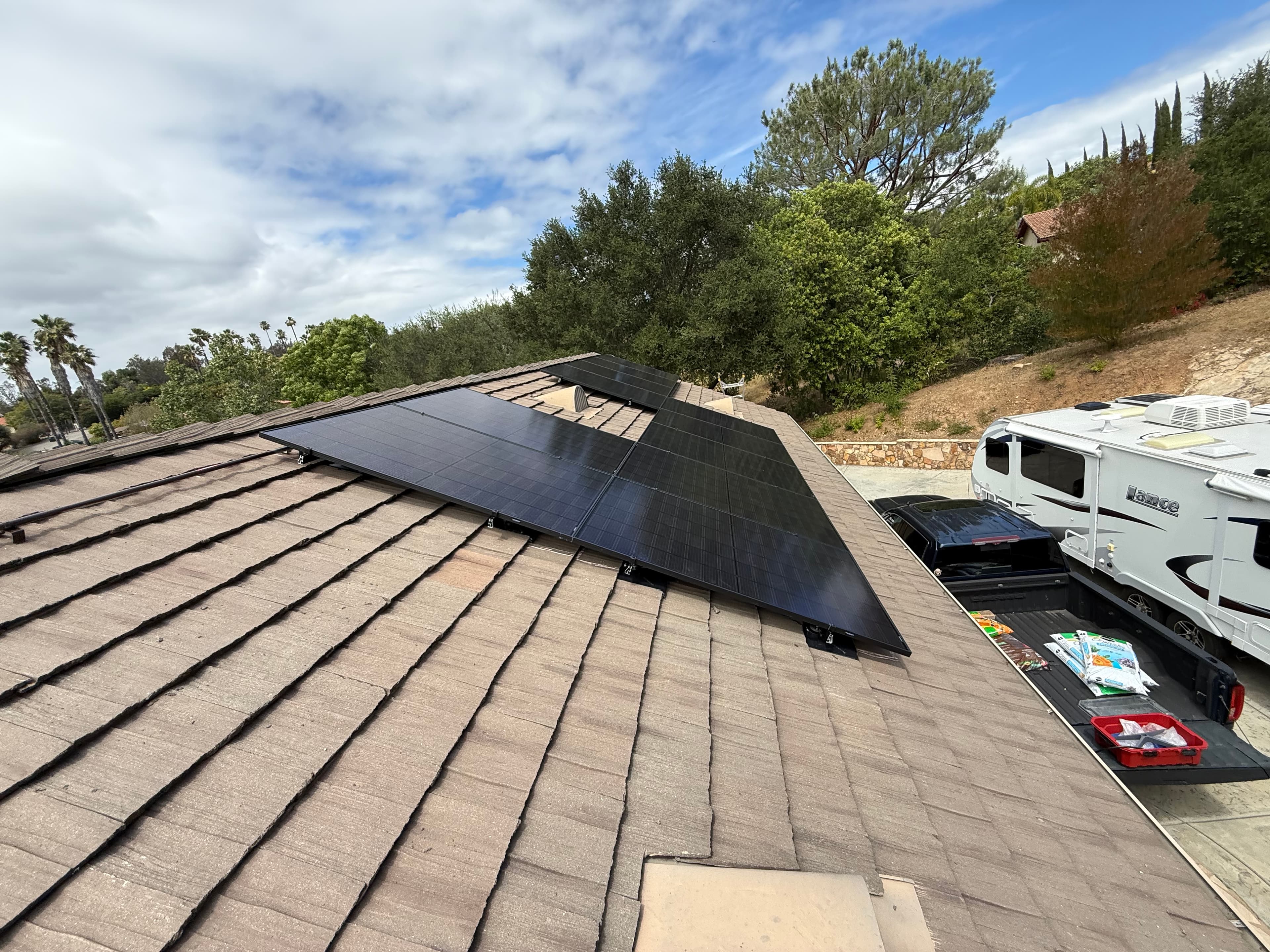
Make Going Solar Affordable in Murrieta
Solar panels can be a smart way for Murrieta homeowners to cut high electric bills and add value to their homes. With plenty of sunny days across Southwest Riverside County, a well-designed system can offset a large share of your usage and make your monthly costs more predictable. Many homeowners like the idea of clean energy, but the big question is usually how to pay for it, not whether the technology works.
That is where solar panel financing comes in. There are several ways to spread out the cost of going solar, from simple cash purchases and solar loans to leases, PPAs, zero down solar offers, and custom solar payment plans. In this guide, we will walk through each option, who it tends to fit best, and how local incentives can reduce your out-of-pocket expense. As a Temecula based solar company working daily in Murrieta and nearby cities, we are very familiar with how solar financing in Murrieta actually plays out in real homes and budgets.
Understanding Your Solar Financing Options
Before choosing a path, it helps to understand a few basic terms. A cash purchase means you pay for the system upfront. A solar loan lets you spread that cost out with monthly payments. A solar lease is a contract where you pay a fixed amount to use a system owned by a third party. A power purchase agreement, or PPA, means you pay only for the energy the system produces, at a set price per kilowatt hour. Zero down solar is any setup where you start with no upfront payment, which can be structured as a loan, lease, or PPA.
Ownership is a key difference. With cash or a solar loan, you own the system on your roof. That usually means you are the one who may qualify for incentives tied to ownership and you benefit from any potential increase in your property value. With leases and PPAs, the solar company or financing company owns the equipment, so you are mainly paying for access to power or system use, not building equity in the system itself.
No matter how you finance, local utility rates across Murrieta and Southwest Riverside County affect how fast your solar investment pays you back. Higher rates generally mean your potential savings on each kilowatt hour are higher. The right financing option can help you line up your solar payment with what you are already used to paying for electricity.
Buying Your System with Cash or Solar Loans
Paying cash for solar is the most straightforward option. You cover the full system cost upfront, so there is no monthly solar payment afterward, just your remaining utility charges for any extra power you use from the grid. This approach usually delivers the highest long-term savings, since you are not paying interest or lender fees and you have full access to any incentives you qualify for.
The tradeoff is the higher initial cost. Not every household can or wants to tie up that much money at once. If that is your situation, a solar loan lets you enjoy ownership without the lump sum. With a loan, you make fixed monthly payments over a set number of years. Many lenders offer zero down solar options, so you can get started with little or no upfront outlay.
There are two broad types of solar loans. Secured loans are tied to collateral, often your home, which can sometimes offer lower rates but may involve more paperwork. Unsecured loans, like dedicated solar loans or personal loans, are based on your credit and income without using your property as collateral. In both cases, you own the system, can usually claim eligible incentives, and can plan around predictable payments that may be similar to or lower than your old bill.
The downsides are interest costs over time and the need to qualify. Lenders typically look at your credit score, proof of income, and your debt-to-income ratio. To prepare, it helps to:
- Check your credit reports and scores
- Gather recent pay stubs or income statements
- List existing debts like car loans and credit cards
- Compare several solar financing offers through a trusted local installer
As a local Temecula company serving Murrieta, we regularly help homeowners review options and see what they might qualify for based on their goals and budget.
Leasing, PPAs, and Zero Down Solar
Some homeowners prefer not to own the solar equipment at all. A solar lease is one way to do that. With a lease, you pay a fixed monthly fee to use a solar system on your roof, while the provider owns, monitors, and usually maintains it. Leases are often marketed as zero down solar, which appeals to families who want quick relief from utility bills without a major upfront spend.
The benefits are simplicity and lower responsibility. Maintenance, repairs, and performance monitoring are generally included, so you are not worrying about equipment issues. The tradeoff is that you typically do not receive the federal tax credit, your long-term savings may be smaller than if you owned the system, and the lease contract will need attention if you sell your home before the term ends.
PPAs are similar but structured around energy usage instead of a flat lease fee. With a PPA, you agree to buy all the power the system produces at a set per kilowatt-hour rate. You often pay nothing upfront and only pay for energy actually generated, which can help if you prefer a usage-based model. Potential downsides include annual rate escalators, no ownership benefits, and contract terms that also follow the home when you move unless the agreement is transferred or bought out.
When comparing solar lease vs buy, ownership usually wins on maximum lifetime savings, control over your system, and eligibility for incentives. Leases and PPAs, however, can make sense for homeowners who:
- Have limited or unpredictable tax liability
- Expect to move sooner rather than later
- Value a hands-off experience where a third party handles maintenance
Zero down programs of any kind still require credit approval, and costs such as dealer fees or interest may be built into the payment structure. It is important to look beyond the promise of no upfront cost and review the total paid over the full term.
Local Incentives, Payment Plans, and Choosing with Confidence
Incentives play a big role in solar financing in Murrieta. The federal investment tax credit is a major one. When you own your solar system, either through cash or a loan, you may be able to claim a percentage of the system cost as a credit against your federal income tax. You generally need to have tax liability to benefit, and timing matters, since installation and interconnection have to be completed before you claim the credit for a given tax year.
California and local utilities have also offered various programs related to solar and battery storage. These can include battery incentives, net energy metering that gives you credit for extra solar you send to the grid, and occasional local rebates. The details change over time, but the basic idea is that these programs can improve the overall value of going solar and affect which solar financing options look best on paper.
Every financing path starts with basic qualification on the home side too. Most Murrieta homeowners will want to confirm:
- The roof is in good condition and has suitable sun exposure
- The electrical panel can support a new solar system
- They are the property owner and have authority to sign solar agreements
- Their credit profile is ready for a loan, lease, or PPA review
Working with a local company that regularly designs systems in Murrieta and Temecula helps with understanding current programs, city permitting processes, and utility interconnection rules.
For some families, maximum long-term savings is the top goal, which often points toward cash or a well-structured solar loan. Others care most about the lowest upfront cost, so zero down loans, leases, or PPAs may come out ahead. Some simply want the easiest experience, where maintenance and paperwork are handled for them, which often makes leases or PPAs attractive, especially when paired with a full-service local installer.
Whichever direction you lean, it helps to compare at least two or three solar financing options side by side. Look at the total cost over the entire term, the length of the agreement, projected bill savings, and how each choice fits your plans for the home. With clear numbers for your specific roof and utility rates, solar panel financing can turn high electric bills into a predictable, long-term investment in your home and your own power.
Get Started With Your Project Today
If you are ready to lower your energy bills and take control of your power, we can walk you through all your options for solar financing in Murrieta. At Transform Power, we explain your choices in clear terms so you can choose a plan that fits your home and budget. Reach out through our contact page and we will schedule a time to review your roof, your current usage, and a customized solar proposal.